
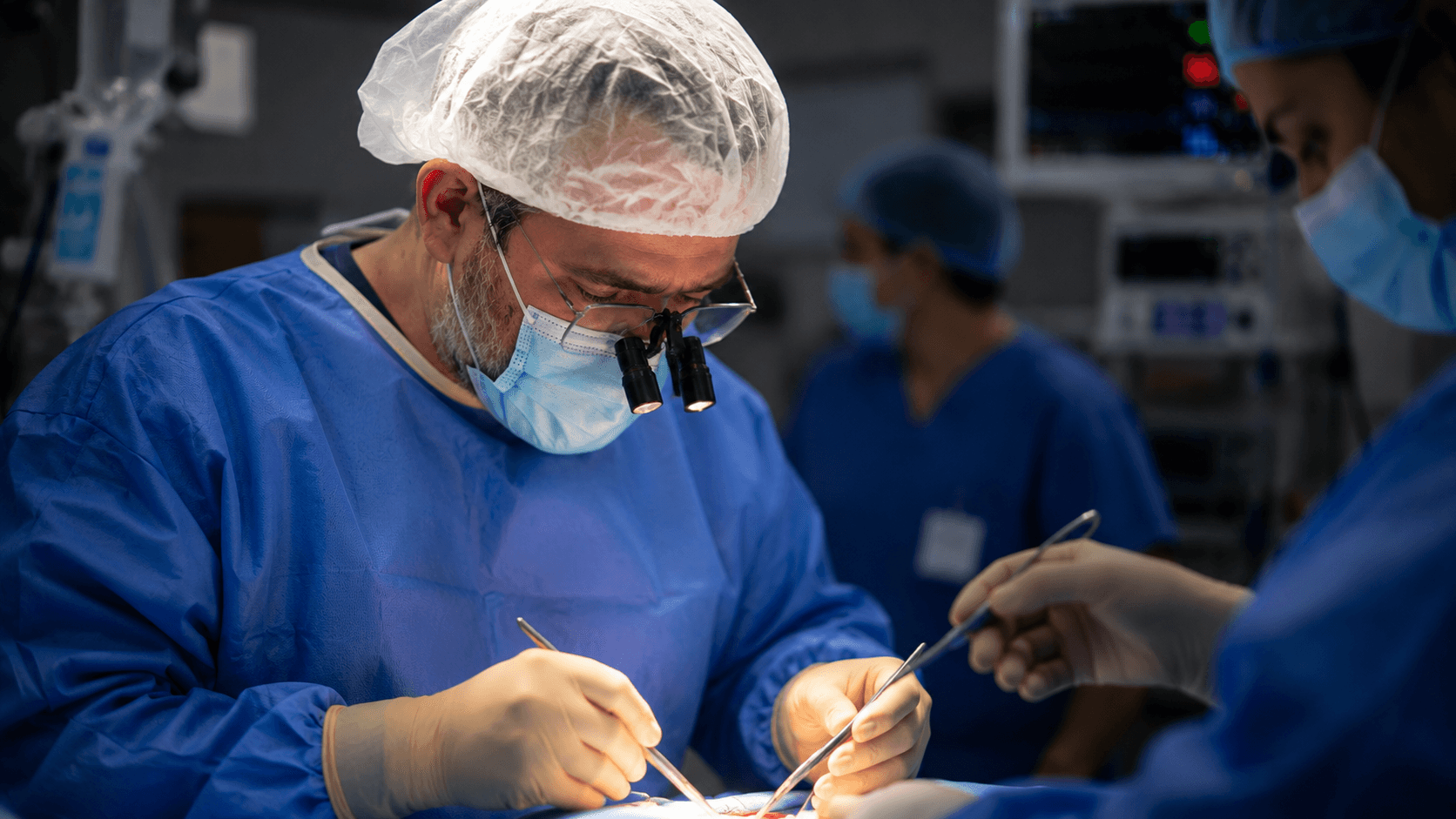
Bringing modern intelligence into one of medicine's most complex workflows
Lung transplantation combines some of the hardest problems in modern medicine into a single case. A single patient can generate months or years of clinical history, imaging, laboratory results, pulmonary-function testing, medications, specialist evaluations, hospitalizations, and evolving treatment decisions. After transplantation, that information grows even more complex as teams manage immunosuppression, infection risk, medication interactions, graft function, and the possibility of rapid clinical deterioration.
Unlike many clinical workflows, that information cannot stay isolated in individual notes or with individual physicians; it has to move with the patient.
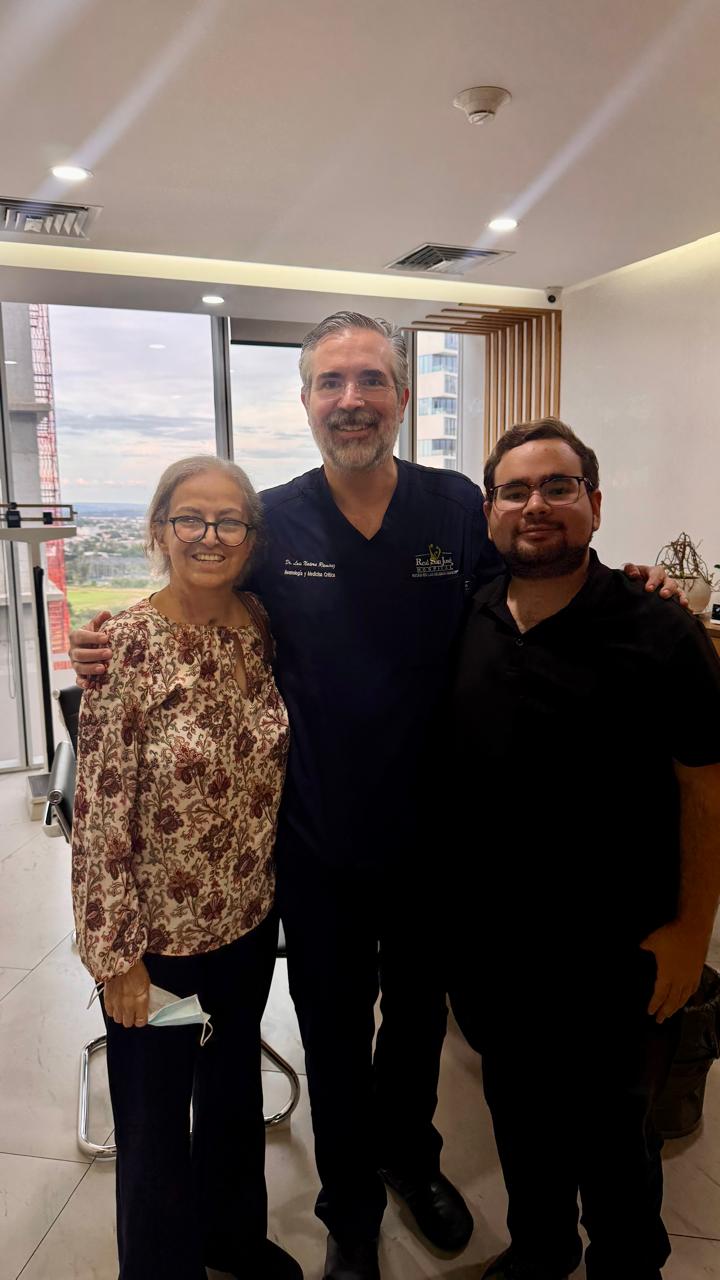
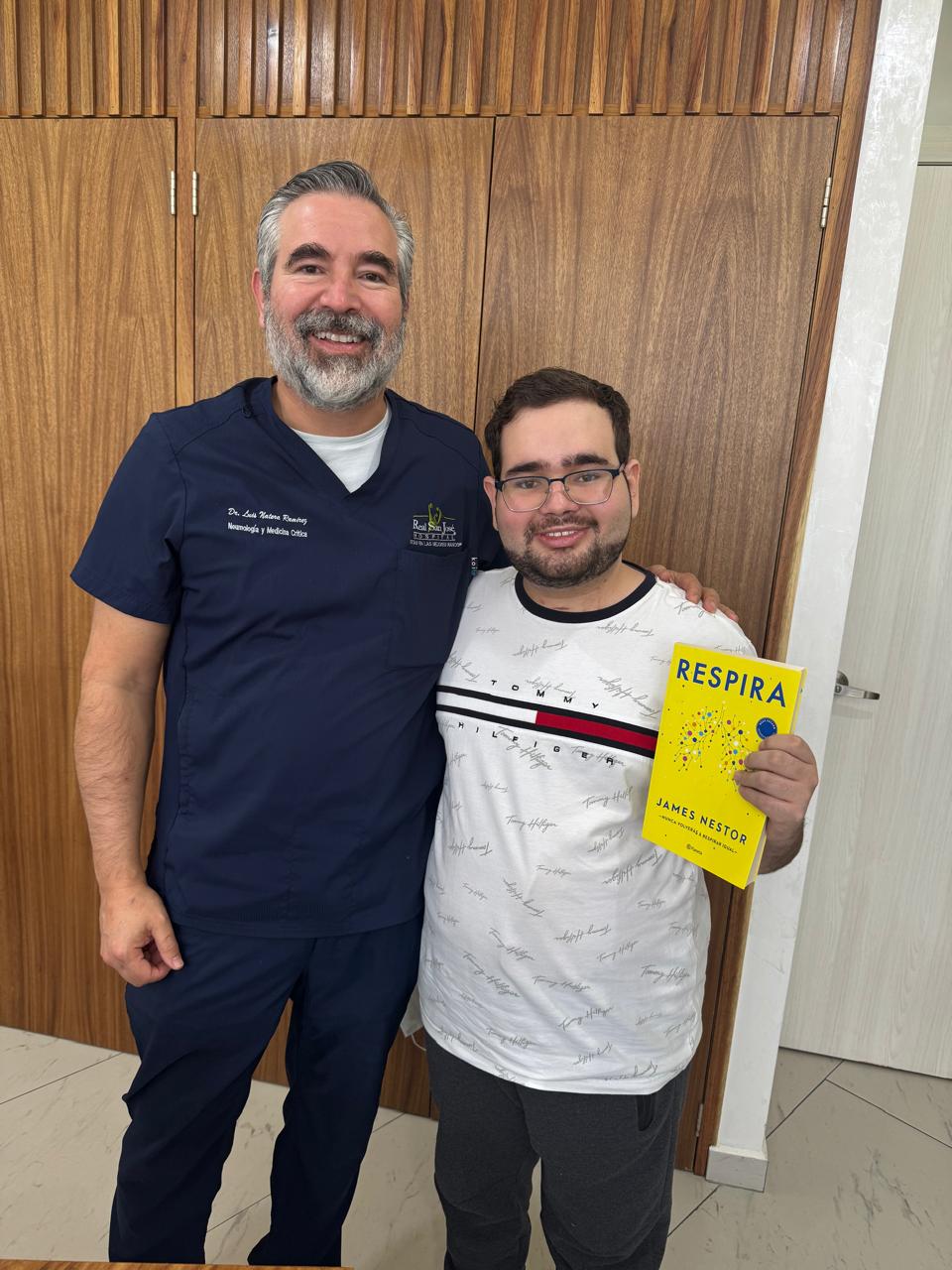
In November 2024, a multidisciplinary team led by Dr. Luis Natera, working alongside the Instituto Cardiovascular de Mínima Invasión (ICMI), performed the first successful sequential bilateral lung transplant reported in Mexico.
The surgery itself was only part of the challenge. The first documented transplant involved approximately 25 specialists, including pulmonology, thoracic and cardiovascular surgery, anesthesiology, nursing, and other clinical teams that needed to stay aligned around a rapidly changing patient. For context, the program had identified four potential transplant candidates since 2021 before its first successful procedure; three died before they could reach transplantation.
The team began using Kadu Care in exactly that environment.
Kadu Care helped turn the medical record into an active clinical tool
KIRA, Kadu Care's clinical intelligence model, helped the medical team process and continuously make sense of the growing body of information surrounding the recipient, without replacing physicians or making autonomous clinical decisions.
Physicians could use KIRA to retrieve and synthesize relevant clinical context instead of repeatedly searching across previous notes, laboratory results, treatments, and clinical events.
The team used KIRA to help:
- Maintain longitudinal summaries as the patient's condition evolved
- Run clinical and transplant-related risk assessments using information already in the medical record
- Compare treatment decisions against current clinical guidance
- Review medications and potential interactions
- Monitor clinical information for signs of deterioration requiring physician attention
- Organize information surrounding immunosuppression and post-transplant management
- Give the clinical team a clearer, shared picture of the patient's current state
The goal was to make the information clinicians already had faster to understand, harder to lose, and easier to act on.
From cognitive burden to clinical intelligence
This became tangible during clinical risk assessment. Transplant medicine requires physicians to continuously interpret large numbers of variables rather than a single diagnostic result: pulmonary function, oxygen requirements, functional status, hemodynamics, laboratory results, and other measures of disease severity.
Instead of manually collecting every relevant variable each time an assessment was needed, Dr. Natera could use the patient's accumulated clinical information with KIRA to help assemble the necessary context and run clinical scoring and risk-assessment workflows, interrogating an increasingly complex medical record without carrying the entire record in his head.
Illustrative example of the kind of longitudinal tracking KIRA can surface, such as FEV1 recovery relative to a patient's post-transplant best value and the 80% threshold used to flag BOS Grade 1.
“A lung transplant is an extraordinarily complex case. There is an enormous amount of clinical information to process and coordinate across the team. Having Kadu Care and KIRA helped me organize that information faster and more effectively, compare treatments with current guidelines, review medication interactions, and monitor for early deterioration. It reduced part of the cognitive burden and allowed me to focus more of my attention on making the best decisions for my patients.”
Keeping an entire team on the same patient
Clinical information becomes particularly vulnerable during transitions: one physician evaluates the patient, another modifies treatment, lab values change, a new medication gets introduced, and a different specialist sees the patient days later. Each transition is another chance for relevant context to get buried in documentation.
KIRA's dynamic summaries helped maintain an evolving picture of the patient's course, letting the team retrieve important information without reconstructing the entire clinical history from scratch. That gap matters in a workflow where delayed or incomplete information can have real consequences. After transplantation, lung recipients remain vulnerable to infection, graft dysfunction, rejection, and complications from immunosuppressive therapy.
Kadu Care therefore operated less like a traditional medical scribe and more like a clinical intelligence layer for the treating team.
The outcome
The November 2024 operation became the first successful bilateral lung transplant documented in Jalisco, Mexico.
Then the program did it again. In May 2026, the team completed its second successful bilateral lung transplant, confirming the first procedure was not an isolated result.
Kadu Care supported the clinical workflow in both bilateral lung transplants, and both of the program's first two Kadu-supported cases succeeded: a 100% success rate so far.
Kadu Care does not claim that AI produced these transplant outcomes. Successful transplantation depends on surgical expertise, patient selection, organ quality, critical care, immunosuppression, infection prevention, rehabilitation, and an entire multidisciplinary team. What these cases show is narrower: integrating AI into analog systems can meaningfully support physicians even when the clinical workflow becomes extraordinarily complex.
Building technology around the physician, not replacing the physician
Most healthcare AI begins with automation. Kadu Care begins with a broader question: what happens when every important piece of clinical information can be put to work in the physician's favor?
The same underlying architecture that helped physicians manage complex transplant information applies throughout a healthcare institution. NEWS2 can be calculated and followed continuously for a patient deteriorating on a medical floor, and an ICU patient's information can be assembled for APACHE-based risk assessment. Antibiotic prescriptions, cultures, and antibiograms can be analyzed together to flag emerging resistance patterns, medication histories screened continuously for interactions and contraindications, and treatment decisions compared against clinical guidance.
Instead of letting valuable clinical information disappear into thousands of static documents, hospitals can turn it into longitudinal intelligence about their patients, physicians, and populations. Kadu Care is building toward an intelligence layer that gives medical teams greater capacity to understand their patients, coordinate care, and intervene earlier, bringing modern computational infrastructure into healthcare systems that still depend heavily on analog workflows.
The goal is to remove everything that keeps a physician from being fully present with a patient, not to put AI between them.